
Have you ever heard of the Otsu Matsuri? Probably not.
And if you have — wow, you must really love Shiga or know it well!
Because honestly, even most Japanese people don’t know much about it. Otsu Matsuri is a very local festival — and let’s be real, Shiga itself doesn’t exactly get the spotlight compared to Kyoto or Osaka.
But here’s the thing: Otsu Matsuri is surprisingly grand, full of history, and incredibly close-up.
You can literally feel the energy of the festival — the drums, the cheers, the movement of the floats — right in front of you.
Of course, Japan has tons of festivals, and Kyoto’s Gion Matsuri is one of the most famous.
But to be honest? Going there in the middle of the sweltering summer heat, surrounded by massive crowds… not my idea of fun anymore!
I’ve been there once, and that was enough for me. 😅
So if you’re someone who wants to experience a historic, vibrant Japanese festival like Gion,
but in a more relaxed, local, and authentic atmosphere,
then I can’t recommend Otsu Matsuri enough.
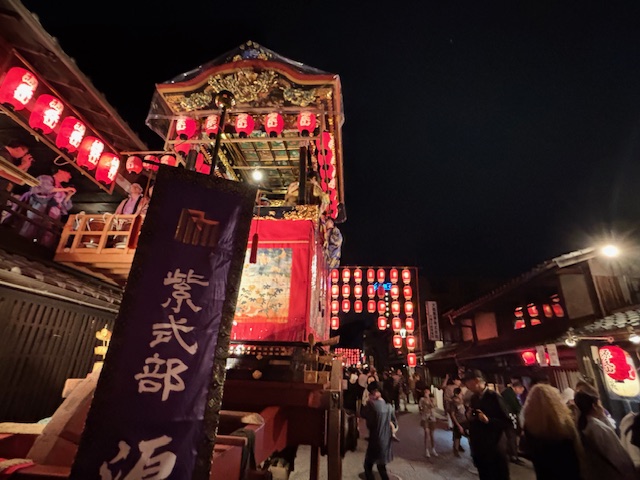
What Is the Otsu Matsuri Festival?
Otsu Matsuri is a traditional autumn festival held every October in Otsu City, Shiga Prefecture.
It may not be as well-known as Kyoto’s Gion Festival, but Otsu Matsuri has over 350 years of history, and is just as captivating in its own way. The main attraction? A parade of 13 beautifully decorated floats, known as hikiyama, that wind their way through the town.
Each float is unique and features intricate mechanical dolls (karakuri) that perform during the procession—it’s both charming and impressive to watch them move!
If you enjoy traditional culture, lively street festivals, and historical pageantry without massive crowds, Otsu Matsuri might just become your favorite hidden gem.
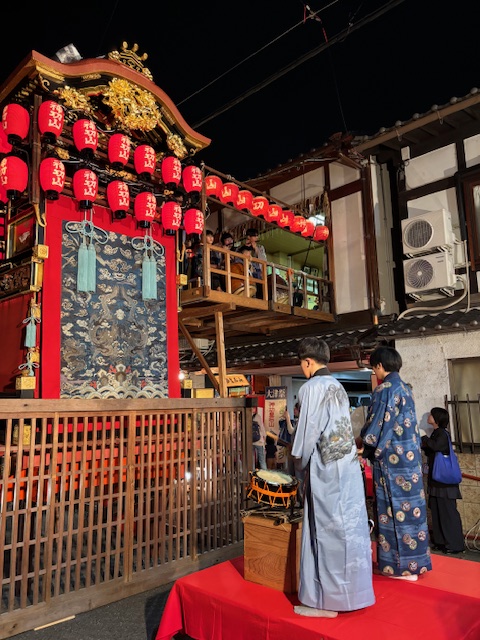
It is said that the Otsu Matsuri was originally inspired by Kyoto’s famous Gion Matsuri. Indeed, the tall floats (called “hoko”) bear a resemblance to those seen in the Gion Festival. However, since the Otsu Matsuri is on a smaller scale, you can view the floats much more closely. One of the highlights is being able to see not just the floats themselves, but also the people playing traditional festival music around and inside them — up close and personal. It’s a rare chance to experience the festival’s atmosphere in such an intimate way.
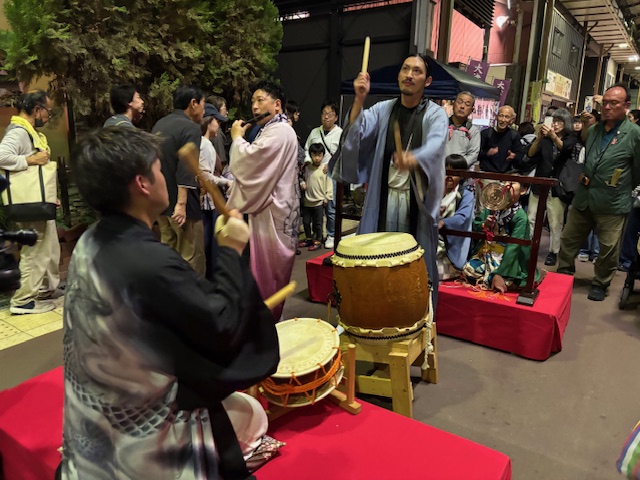
Otsu Matsuri also features traditional festival music called “ohayashi,” performed with drums and flutes.
What’s interesting is that each float (hikiyama) has its own distinct sound and rhythm — some are fast and lively, while others are gentle and soulful.
It’s really fun to walk around and compare the different styles!

The ohayashi isn’t just for entertainment; it also carries a spiritual meaning.
It’s said to express gratitude and prayers to the gods, while keeping the festive spirit alive throughout the streets.
Listening closely, you can really feel the connection between tradition, rhythm, and community.
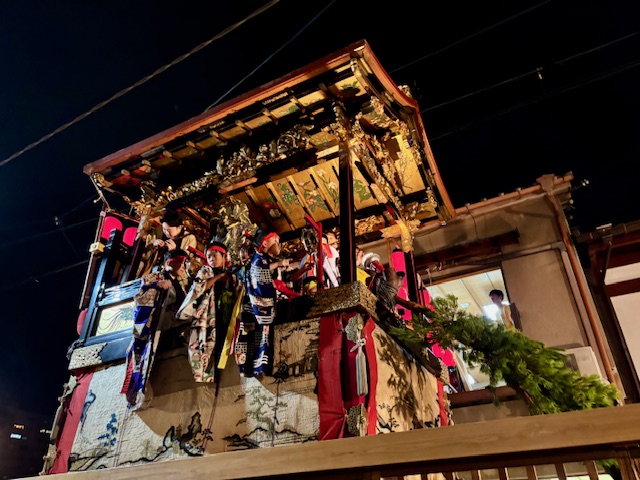
You’ll also notice that young boys ride on the floats during the festival.
Interestingly, only boys are allowed to participate in this part of the parade — a tradition that has been passed down for generations.
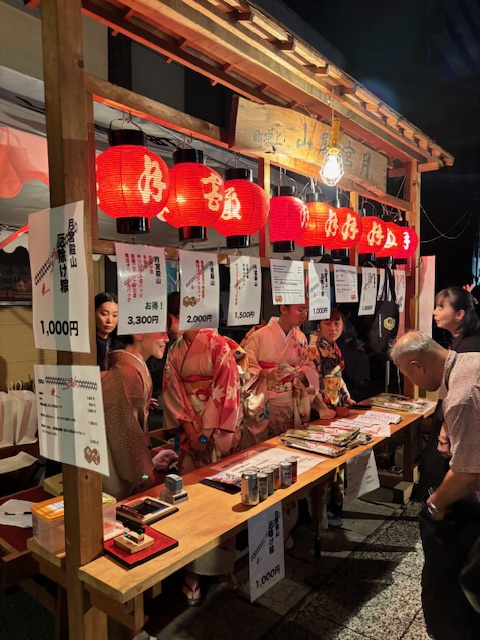
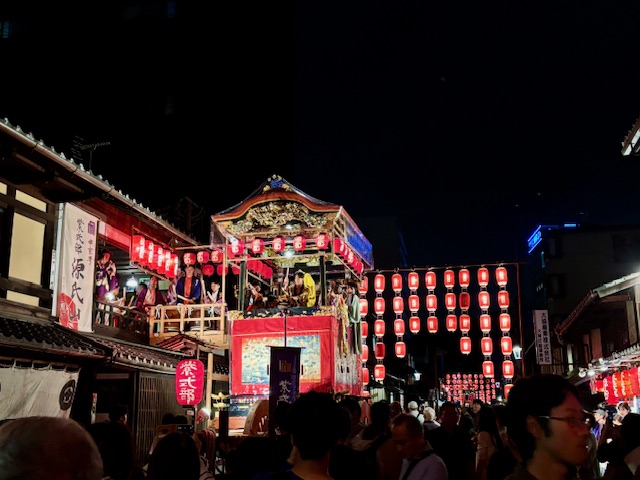
When it comes to Japanese festivals, food stalls are a must!
Otsu Matsuri is no exception—you’ll find plenty of food stands lining the streets.
Grabbing a cold beer while enjoying classic festival foods like yakisoba (fried noodles), takoyaki (octopus balls), and yakitori (grilled chicken skewers) is simply the best.

And don’t forget dessert! You can treat yourself to traditional Japanese festival sweets like kakigori (shaved ice), candied apples, and baby castella (bite-sized sponge cakes).
It’s all part of the fun, and trying out these nostalgic Japanese treats is highly recommended!

At Otsu Matsuri, you’ll find vendors selling chimaki (protective charms made of straw) and beautifully designed tenugui (traditional hand towels). Each float (hoko) has its own unique pattern, so it’s fun to browse and pick your favorite design.
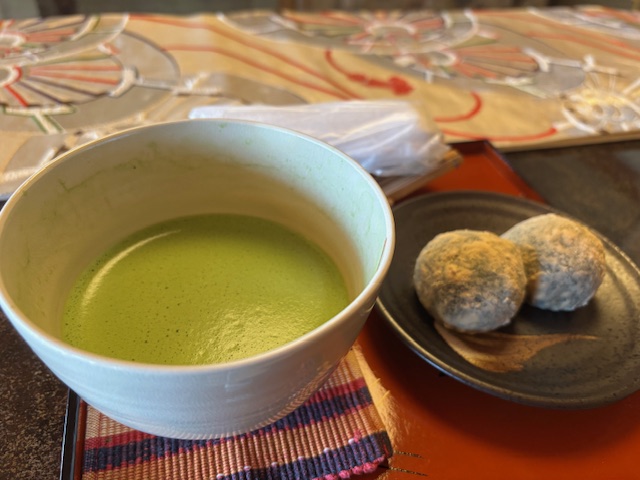
People usually hang the chimaki at home to ward off evil and invite good fortune. But don’t worry — you’ll also find edible versions of chimaki sold near Otsu Station and at various food stalls. These delicious treats taste like gently sweet mochi, and I highly recommend giving them a try!
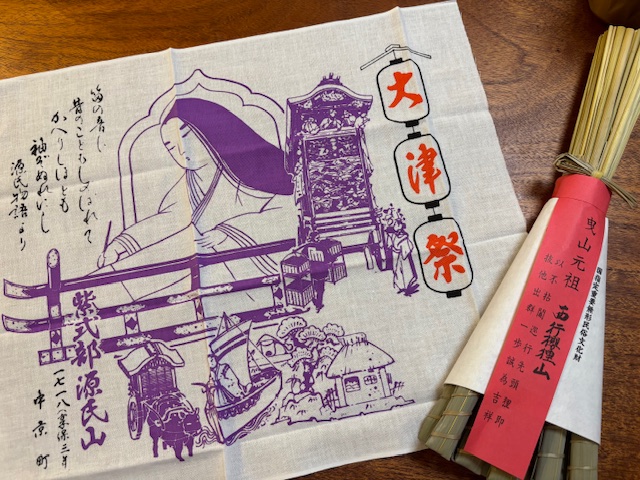
By the way, I chose a tenugui (traditional Japanese hand towel) with a Murasaki Shikibu design. I really loved the color and pattern! I’m planning to use it as a tapestry in my room.




 Shiga Travel Guide
コメントを残す